


Learn
Argireline and Matrixyl 3000 together: what the trials show
No study has tested the pair. Here is what each peptide's own trials show, and how to layer them with care.
By the Skingenetix Research Team, medically reviewed by Dr Esther Bodde, 8 October 2026
22 of 45
Argireline: crow's feet graded clearly smoother
After 4 weeks, against none of 15 on placebo (Wang 2013).
−39%
Matrixyl 3000: deep-wrinkle area
After 2 months on the treated side, in the manufacturer’s half-face study (Matrixyl 3000 research).
0
Trials of the two together
No study has tested Argireline and Matrixyl 3000 as a pair.
The short answers
- Do they work together? Nobody knows. No study has tested Argireline and Matrixyl 3000 as a pair, so we cannot say they add up to more than either alone. They do different jobs, and each has its own trials.
- Which goes first? No trial has tested the order either. The practical rule is the thinnest product first, then the richer one, and one new product at a time.
- Who should skip? Anyone who is pregnant or breastfeeding should ask a doctor or pharmacist first, because neither peptide has been tested in those groups. Patch-test before using either.
This article draws on the trials we appraise on our two research pages: Acetyl Hexapeptide-8 (Argireline) research and Matrixyl 3000 research. Everything below is checked against those sources.
Shop the Peptide Duo SetDo Argireline and Matrixyl 3000 work together?
There is no published study of Matrixyl and Argireline used together. We looked, and we would rather say so plainly than imply otherwise. Any claim that the two multiply each other’s effect would have nothing behind it.
What exists is separate evidence for each peptide. It is worth knowing what each one was actually tested on.
Argireline
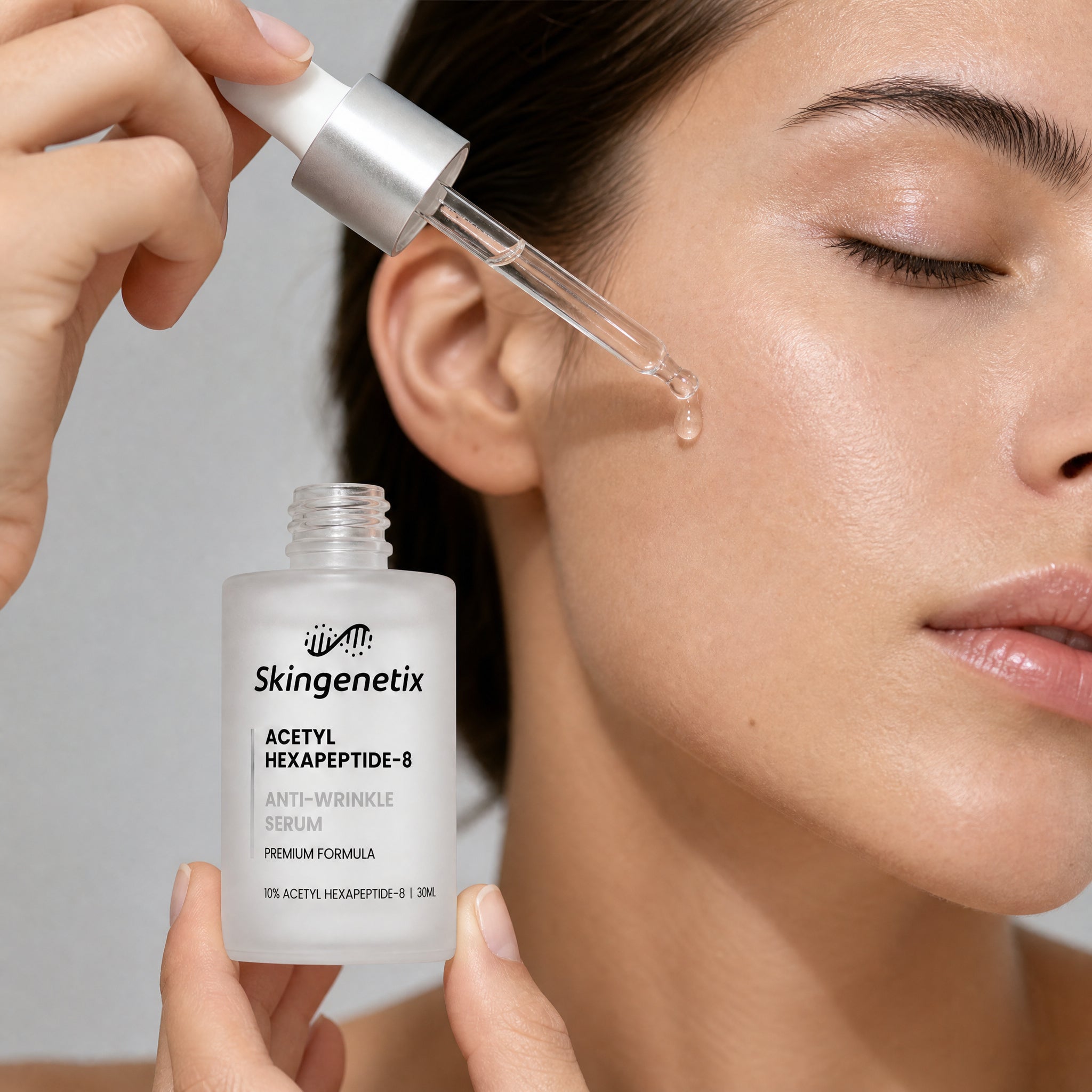
Argireline® (acetyl hexapeptide-8) is a peptide designed to soften the look of expression lines, such as crow’s feet and forehead lines. Two trials used 10% Argireline, the same level as in our serum. Their results are below.
Matrixyl 3000
Matrixyl® 3000 is a pair of peptides, palmitoyl tripeptide-1 and palmitoyl tetrapeptide-7, made by the company Sederma. Its human data comes from the manufacturer, not from independent researchers.
In lab tests on skin cells, the two peptides together raised collagen I by 256% at the highest dose tested, against cells given only the solvent. That is a cell result, not a measurement in skin.
What the trials measured

Before
After 4 weeks
22 of 45 graded clearly smoother vs 0 of 15 on placebo
Argireline, 10% (Wang 2013)
Crow's feet: 22 of 45 graded clearly smoother in 4 weeks
In a double-blind trial of 60 adults (Wang 2013), clinicians graded the crow’s feet of 22 of the 45 people using Argireline as clearly smoother after 4 weeks. None of the 15 people on placebo were graded that way. Note that 22 of 45 counts people, not a percentage of wrinkle removed.

Before
After 20 days
Forehead roughness −7.4% vs +4.3% on placebo (day 20)
Argireline, 10% (Raikou 2017)
Forehead roughness down 7.4% in 20 days
In a small trial of 24 women (Raikou 2017), forehead roughness measured by instrument fell 7.4% after 20 days on Argireline, while it rose 4.3% on placebo.

Before
After 2 months
Deep-wrinkle area −39% in 2 months (manufacturer's half-face study)
Matrixyl 3000 (manufacturer study)
Deep-wrinkle area down 39% in 2 months
In the manufacturer’s 2-month half-face study of 23 women aged 42 to 67, the area taken up by deep wrinkles fell 39.4% on the treated side. The placebo side showed no significant change.
More in our Matrixyl 3000 research summary.
Why are they different jobs?
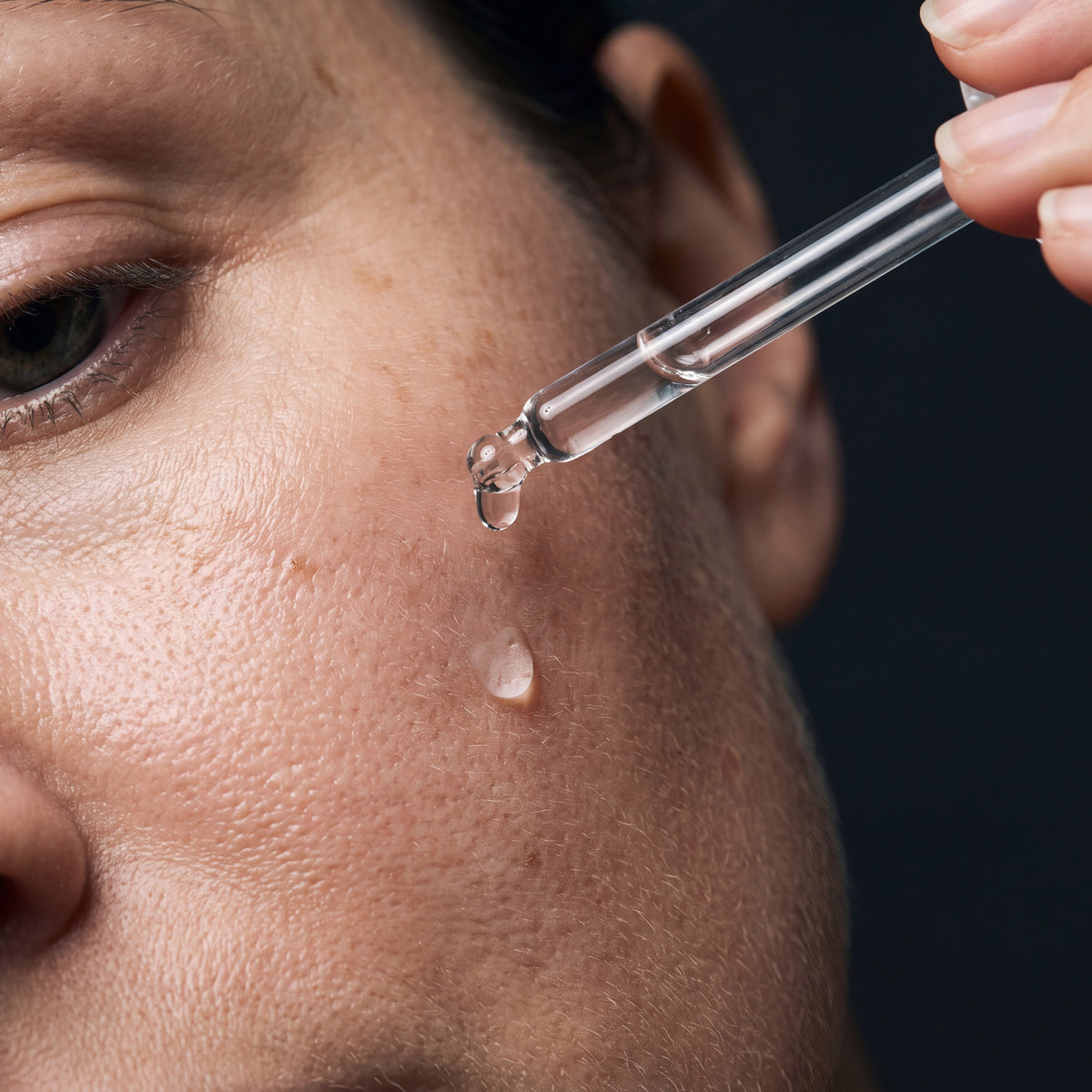
Argireline’s trials looked at expression lines, the creases that form around the eyes and forehead as you move your face. Matrixyl 3000’s trials looked at deep wrinkles and the look of firmness.
That is the reason people consider using both. It is a sensible idea, but it is an idea, not a result. “Together” can mean two things here. It can mean two products that each do their own job, which is what the evidence supports. It cannot yet mean a proven combined effect. Neither trial tested what happens when the other peptide is on the skin too.
Argireline: expression lines
Matrixyl 3000: deep wrinkles and firmness
Which goes first, and how do you layer them?
Neither peptide is an acid or a retinoid, so they do not need to be kept apart the way strong exfoliating acids do. Our Matrixyl 3000 hub makes the same point: they can be layered, one new product at a time.
No trial has compared one order against the other, so we do not claim that order changes the result. It is about comfort and keeping your routine simple. A sensible routine looks like this:
1. Thinnest first
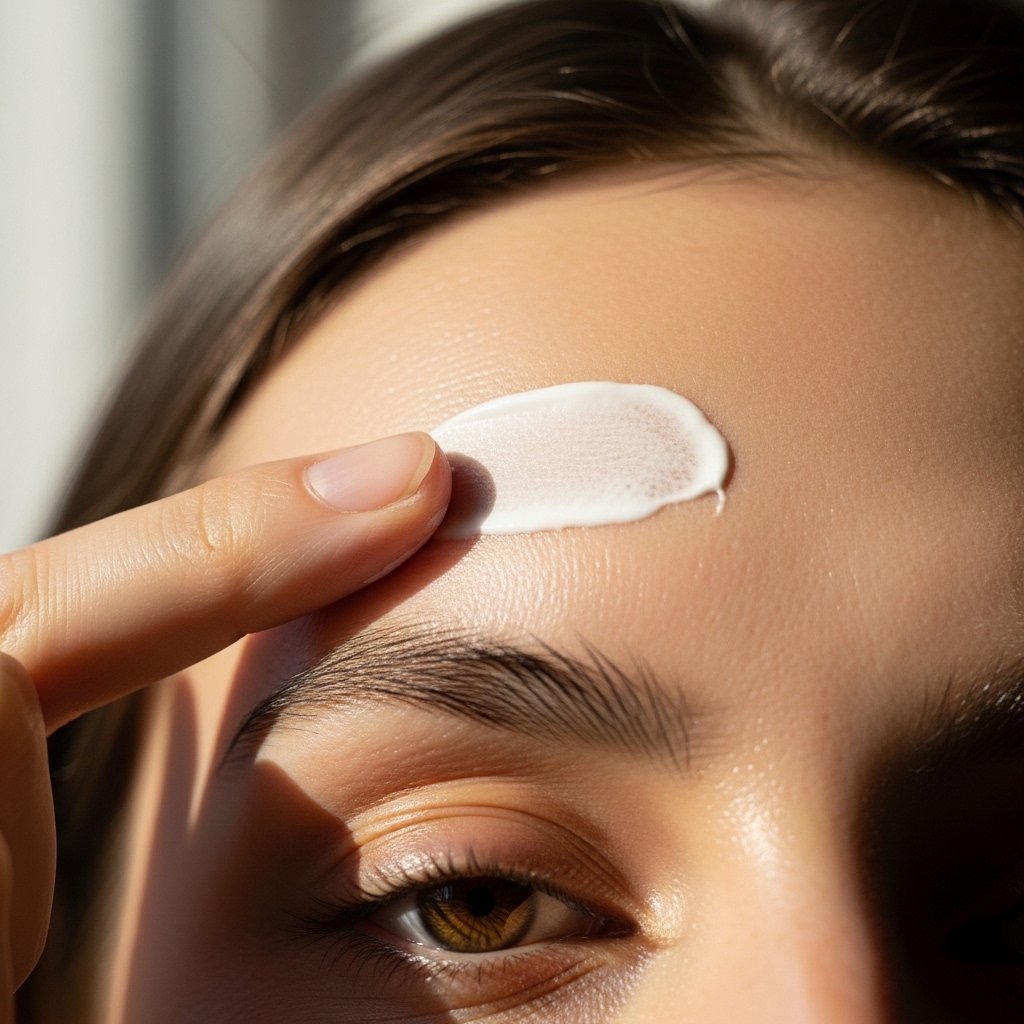
Apply the lighter, more watery product to clean skin, then the richer one over it. Serum goes before cream.

2. Morning and evening
Both were used twice a day in the trials above.
3. SPF every morning
Sunscreen goes on last. Peptides do not replace it.
Who should skip or be careful?
Neither of our products has been through its own tolerance test, so we do not describe them as suitable for sensitive skin. What we can report is ingredient-level:
- Argireline caused no adverse effects in the two controlled trials above (Wang 2013 and Raikou 2017).
- An independent expert panel, the Cosmetic Ingredient Review, assessed both Matrixyl 3000 peptides as safe in cosmetics at current use levels. That is a finding about the ingredients, not about any one finished product.
Be careful, or ask first, if any of these apply:
- Pregnant or breastfeeding. Neither peptide has been tested in these groups. Ask a doctor or pharmacist before use.
- Broken, sunburnt or inflamed skin. Wait until it has settled.
- Stinging or redness that does not fade. Stop using the product.
- Needles of any kind. These serums are for the skin’s surface only. Never inject Argireline, and never use it with DIY microneedling. An infection has been reported after Argireline was injected.
What do our products contain?
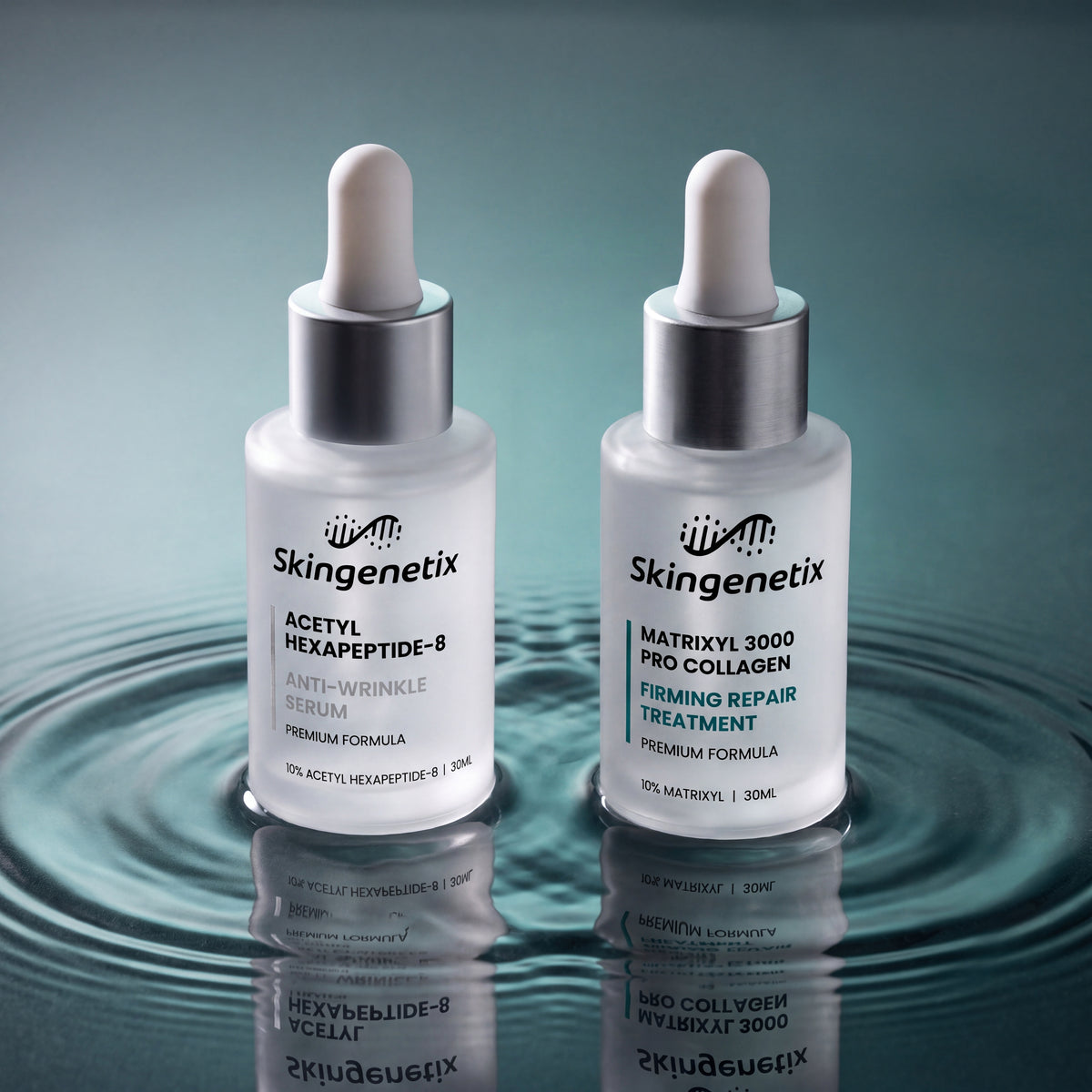
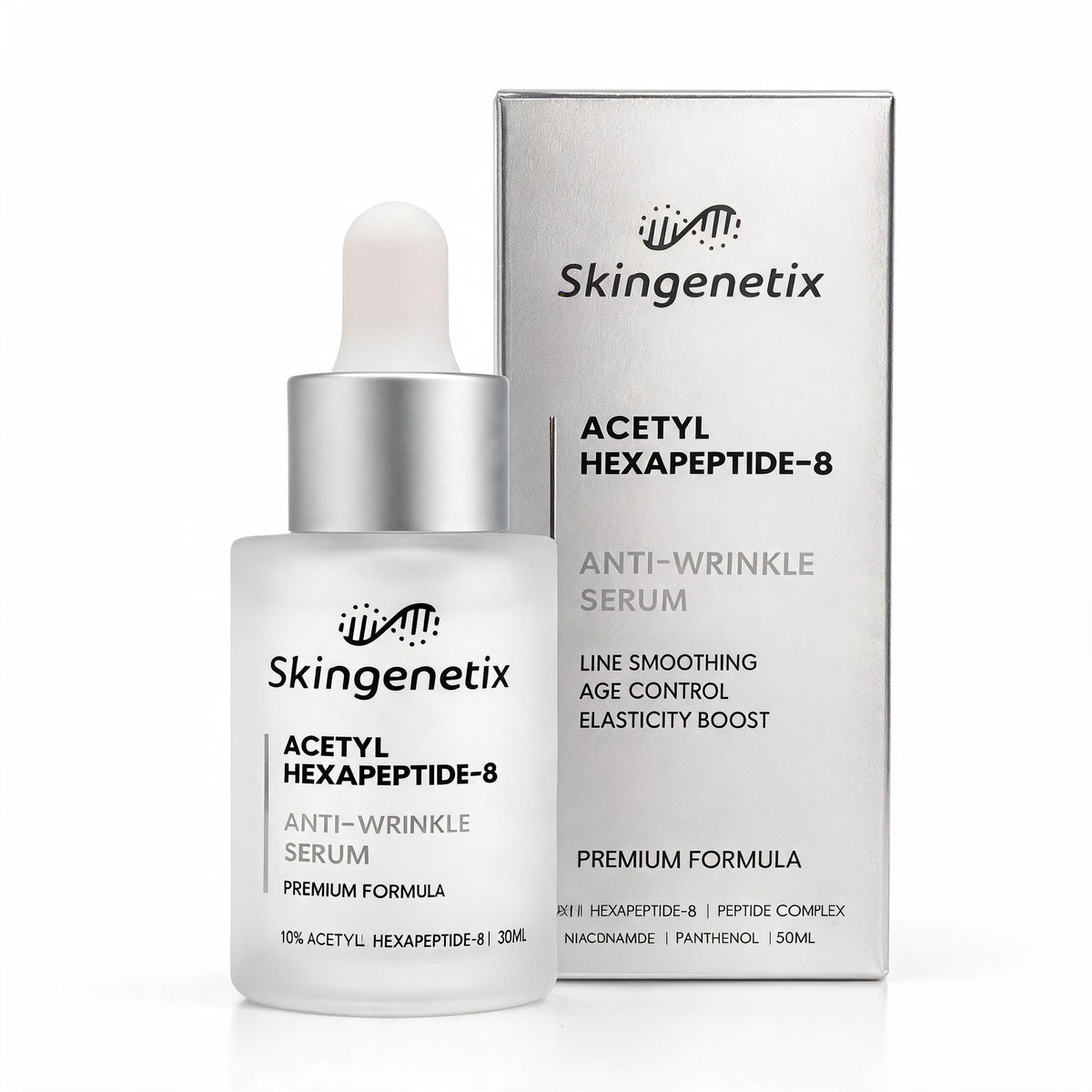
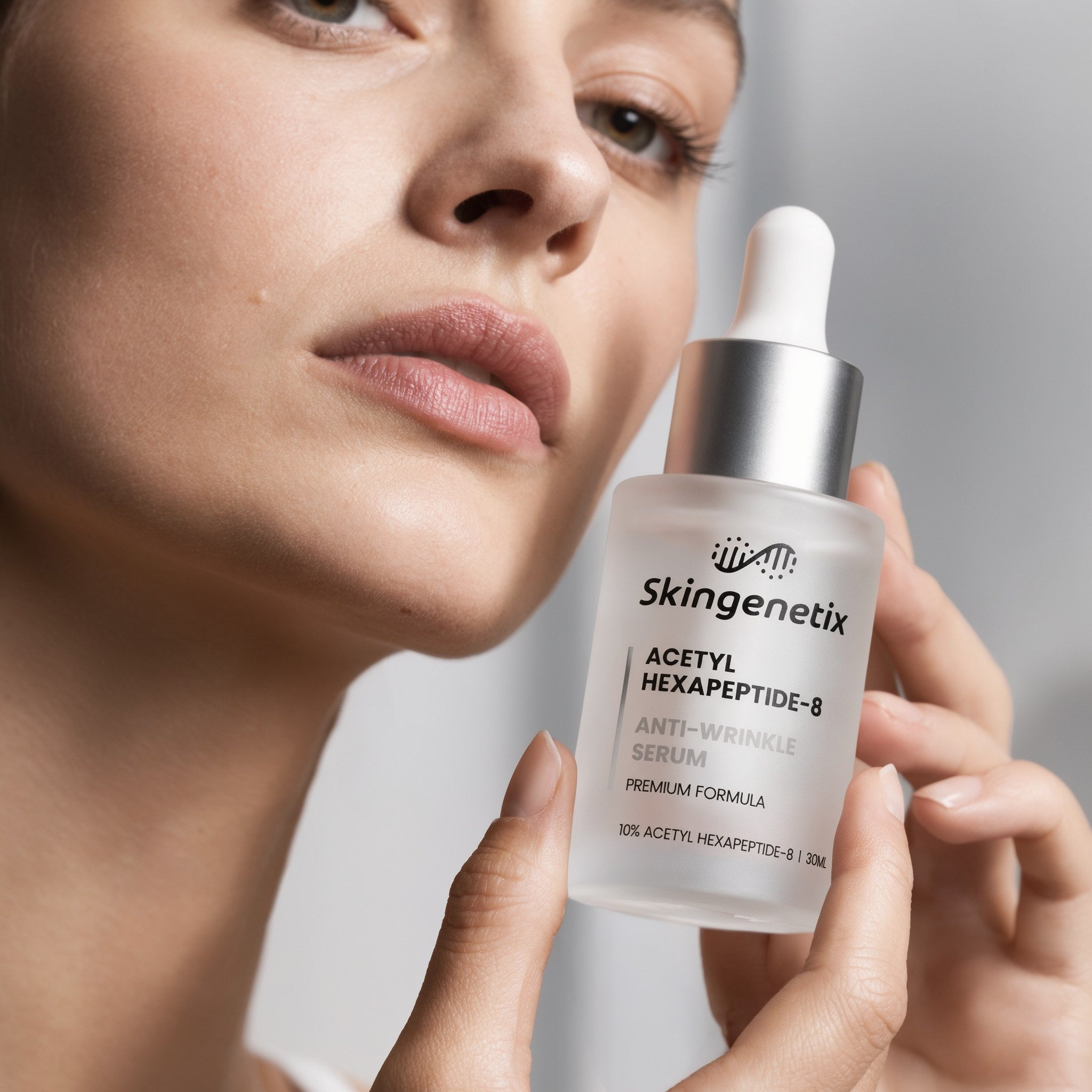
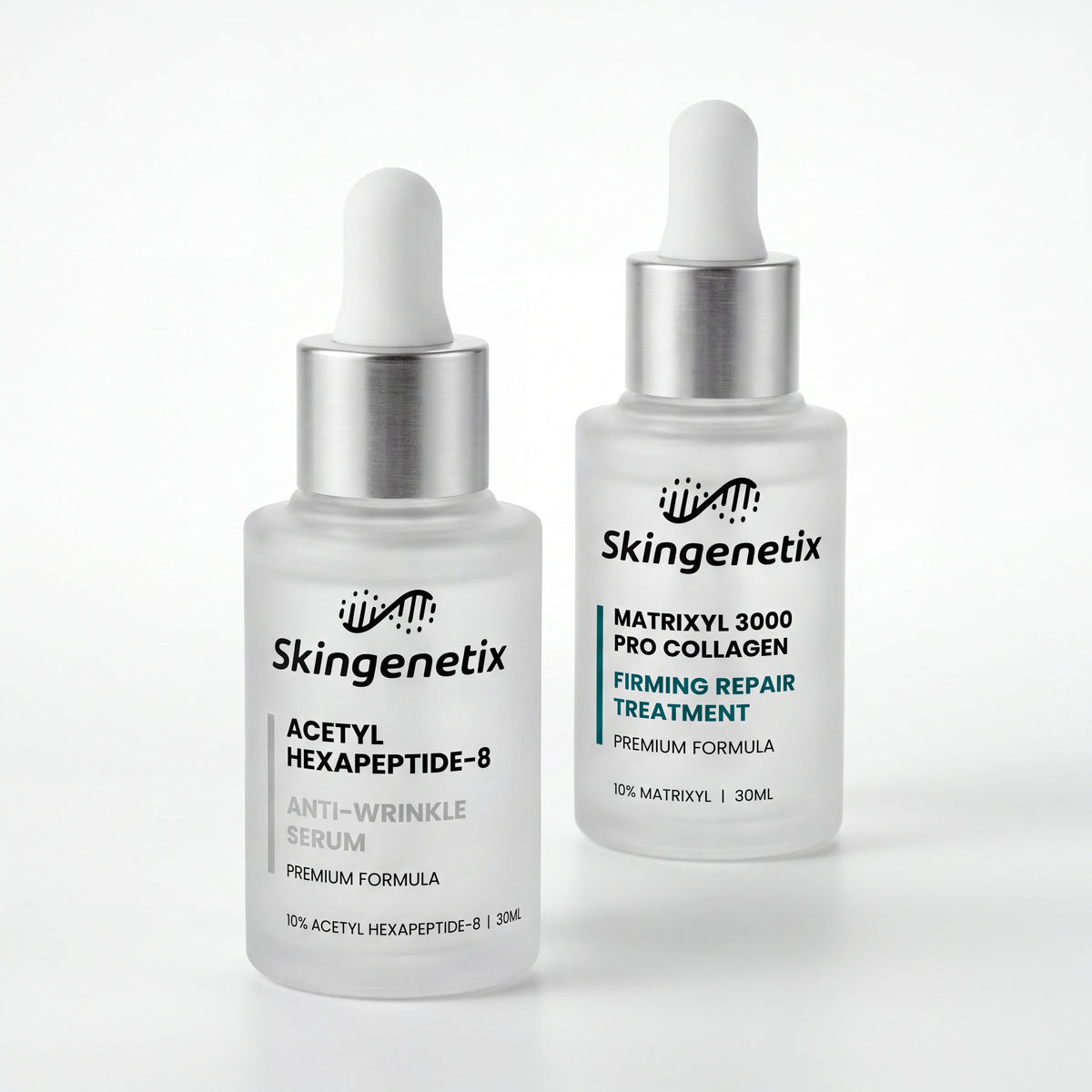
- Acetyl Hexapeptide-8 Anti-Wrinkle Serum contains 10% Argireline®. That is 10% of the Argireline peptide solution, not 10% pure peptide, and it is the level used in the trials above.
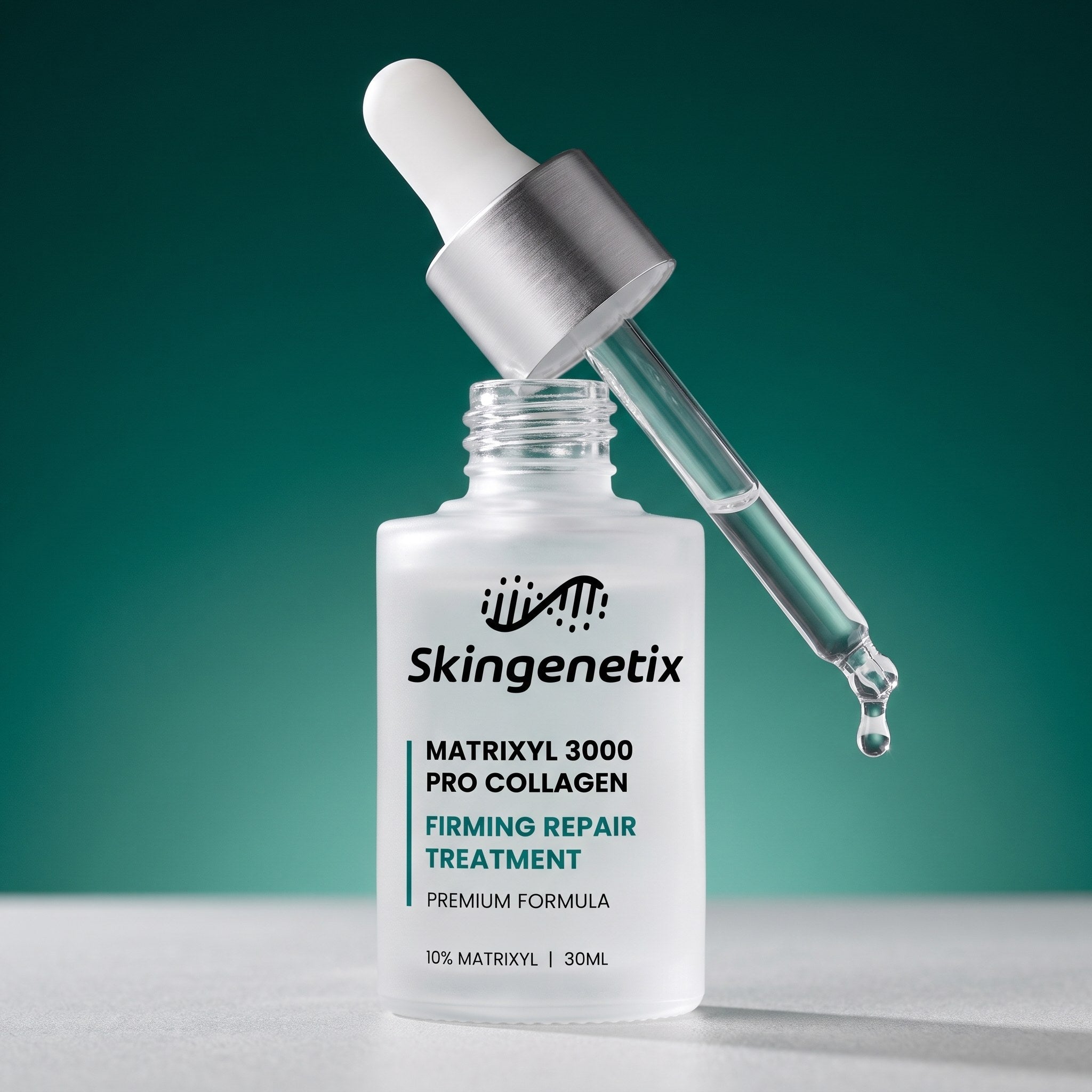
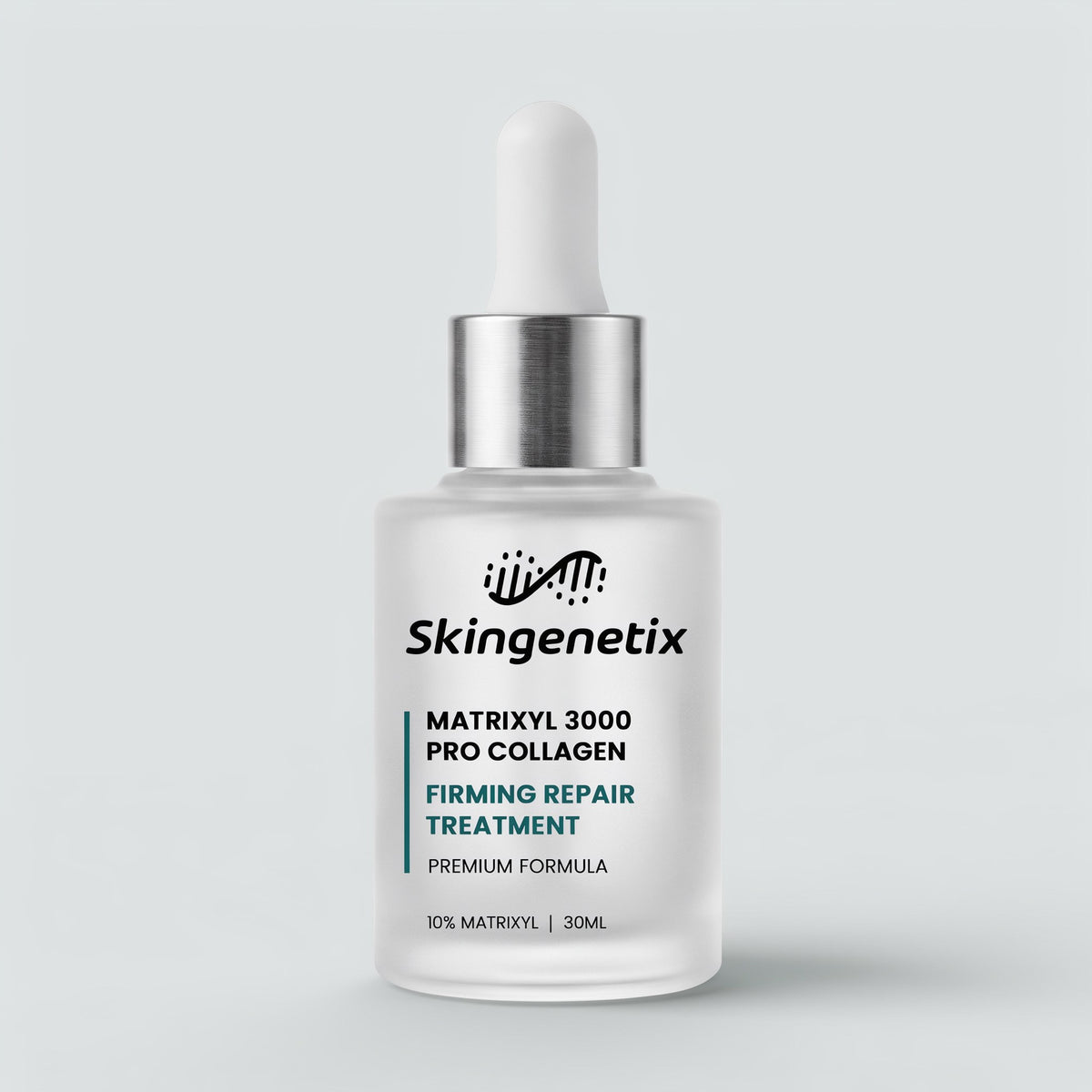
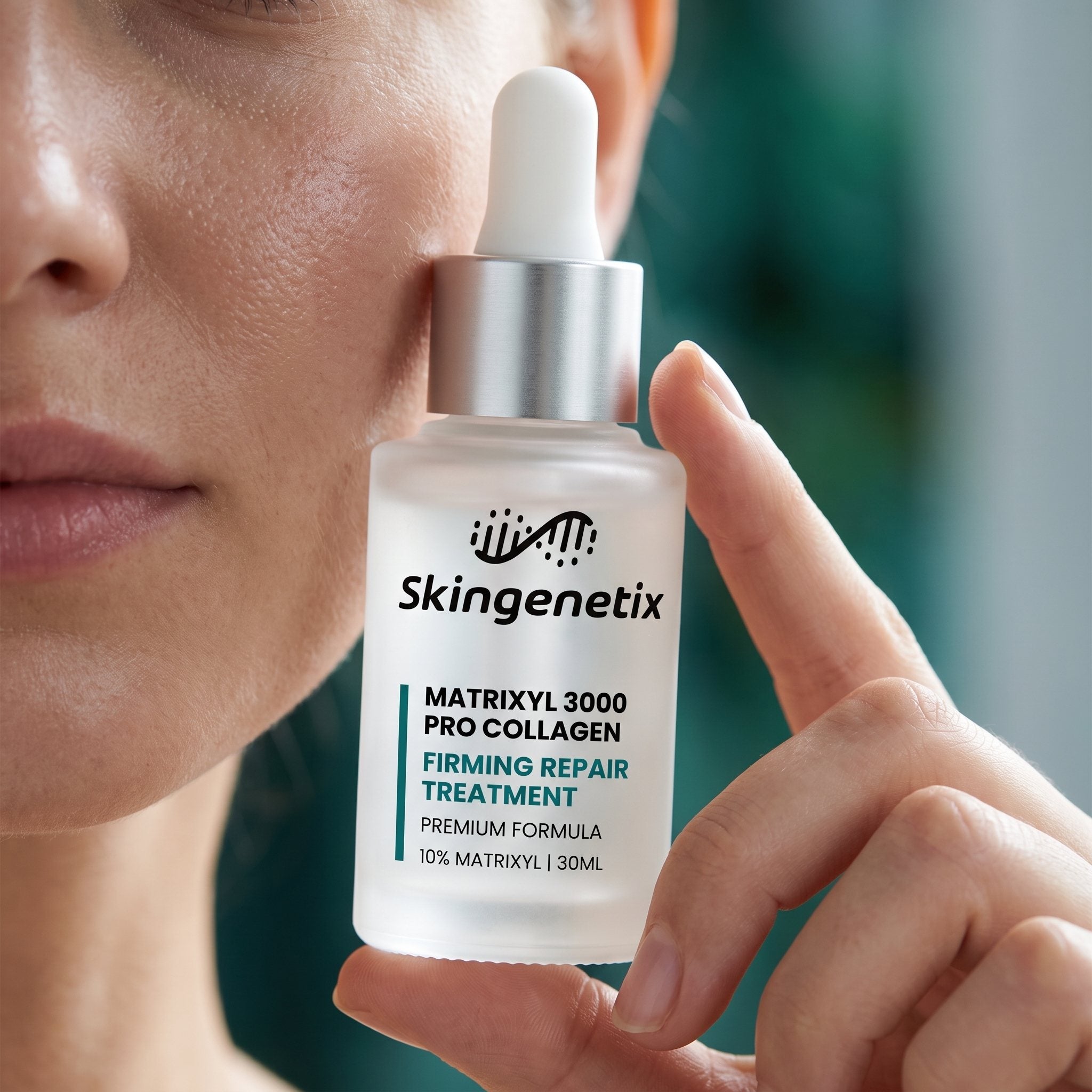
- Matrixyl 3000 Firming Serum contains Matrixyl 3000 and also palmitoyl pentapeptide-4, a related peptide.
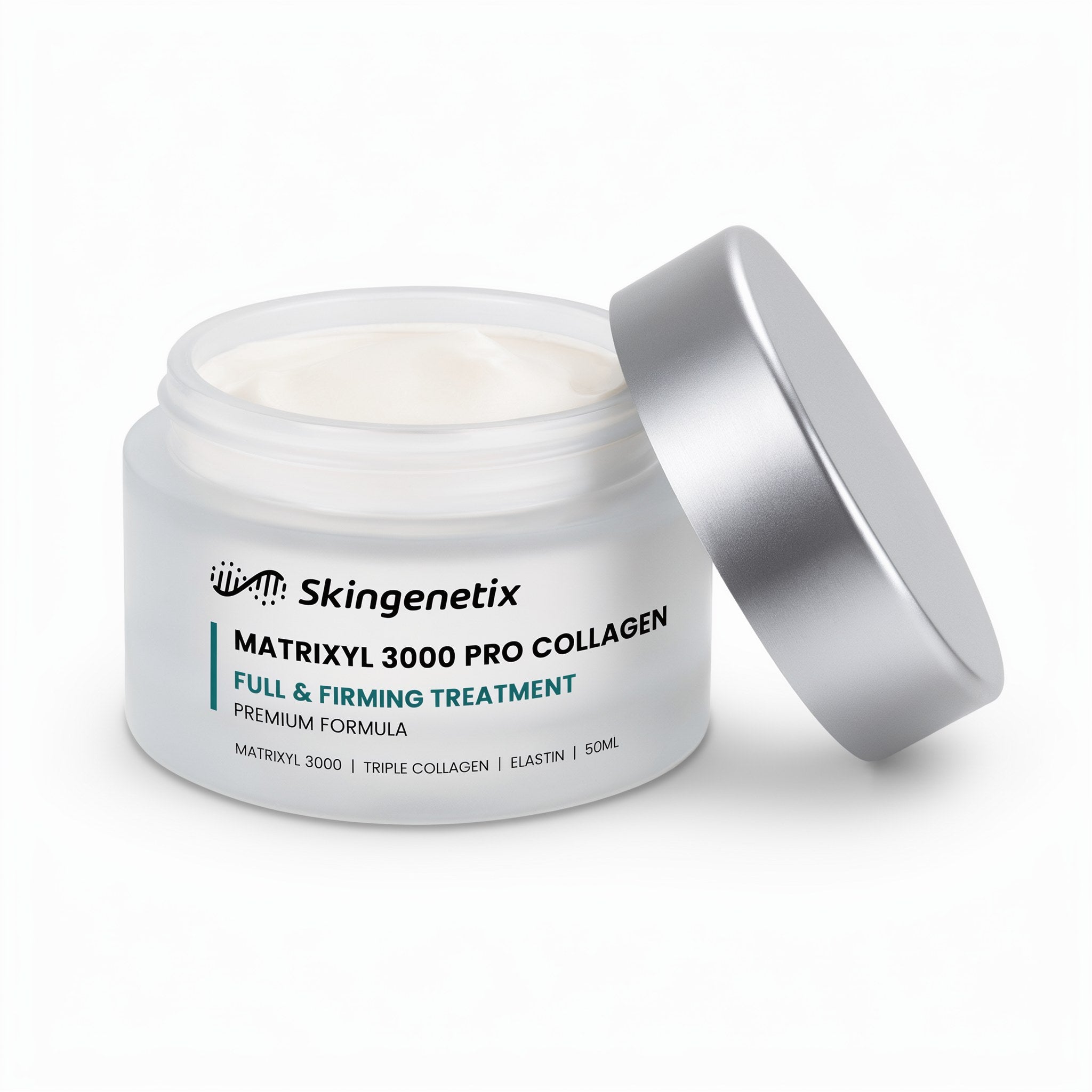
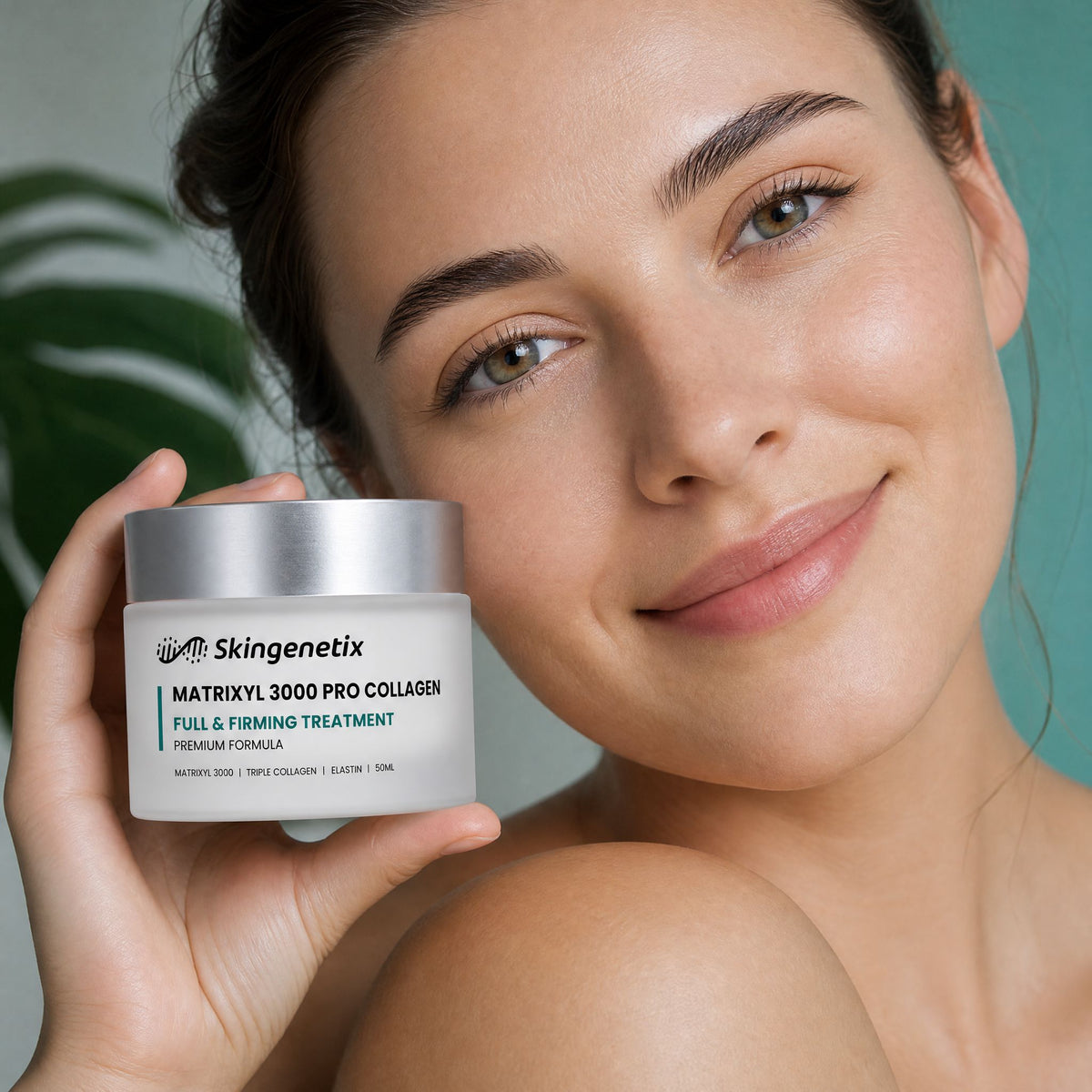
- Matrixyl 3000 Pro-Collagen Firming Cream contains Matrixyl 3000. It does not contain palmitoyl pentapeptide-4.
- The Fine Lines & Wrinkles Peptide Duo Set pairs the Matrixyl 3000 and Acetyl Hexapeptide-8 serums for people who want to try both.
The trials in this article tested the ingredients, not our finished products. We have not tested our serums ourselves, so we cannot say our products will give the same results.
The evidence, in one table
| Ingredient | Trial | People | Length | What was measured | Result |
|---|---|---|---|---|---|
| Argireline, 10% | Wang 2013, double-blind, placebo-controlled | 60 adults (45 active, 15 placebo) | 4 weeks | Clinician grade of crow’s feet | 22 of 45 graded clearly smoother; none of 15 on placebo |
| Argireline, 10% | Raikou 2017, placebo-controlled | 24 women | 20 days (day-20 result) | Forehead roughness, by instrument | Down 7.4% on Argireline; up 4.3% on placebo |
| Matrixyl 3000 | Manufacturer study (Sederma), half-face, not peer-reviewed | 23 women aged 42–67 | 2 months | Area taken up by deep wrinkles | Down 39.4% on the treated side; no significant change on the placebo side |
| Argireline + Matrixyl 3000 | None exists | – | – | – | Not tested |
The trials were small, and the Argireline and Matrixyl studies measured different things, so the numbers cannot be compared with each other or added together.
Appraised by the Skingenetix Research Team. Medically reviewed by Dr Esther Bodde, Cosmetic & Medical Physician.
Last reviewed 8 October 2026.
Read the trials and the research

Wang 2013: Argireline and crow's feet

Raikou 2017: Argireline and forehead lines

Argireline research
Matrixyl 3000 research