


Ingredient Research
A naturally occurring copper tripeptide - one of the most-researched actives in skin science - valued for firmer, smoother and more renewed-looking skin.
What Is Copper Peptide GHK-Cu?
GHK-Cu (glycyl-L-histidyl-L-lysine copper) is a naturally occurring tripeptide first identified in human blood plasma by Dr. Loren Pickart in 1973. It is one of the most-studied peptides in skin science and is valued in skincare for supporting a firmer, smoother and more renewed-looking complexion.
GHK-Cu levels decline naturally with age, and this decline coincides with visible signs of aging such as reduced firmness and elasticity.
When applied topically, GHK-Cu is valued for supporting the skin's natural collagen, elastin and glycosaminoglycan activity, helping the complexion look firmer, smoother and more supple.

Supports the skin's own collagen & renewal pathways
Copper peptide (GHK-Cu) is one of the most-studied peptides in skin science. Peer-reviewed research describes its role in the skin's natural support of collagen, elastin and glycosaminoglycan production and the appearance of skin renewal.
What the research shows:
- Linked to the skin's collagen, elastin and renewal pathways
- Associated with antioxidant defence and skin-barrier support
Pickart L & Margolina A (2018). International Journal of Molecular Sciences, 19(7):1987. View on PubMed
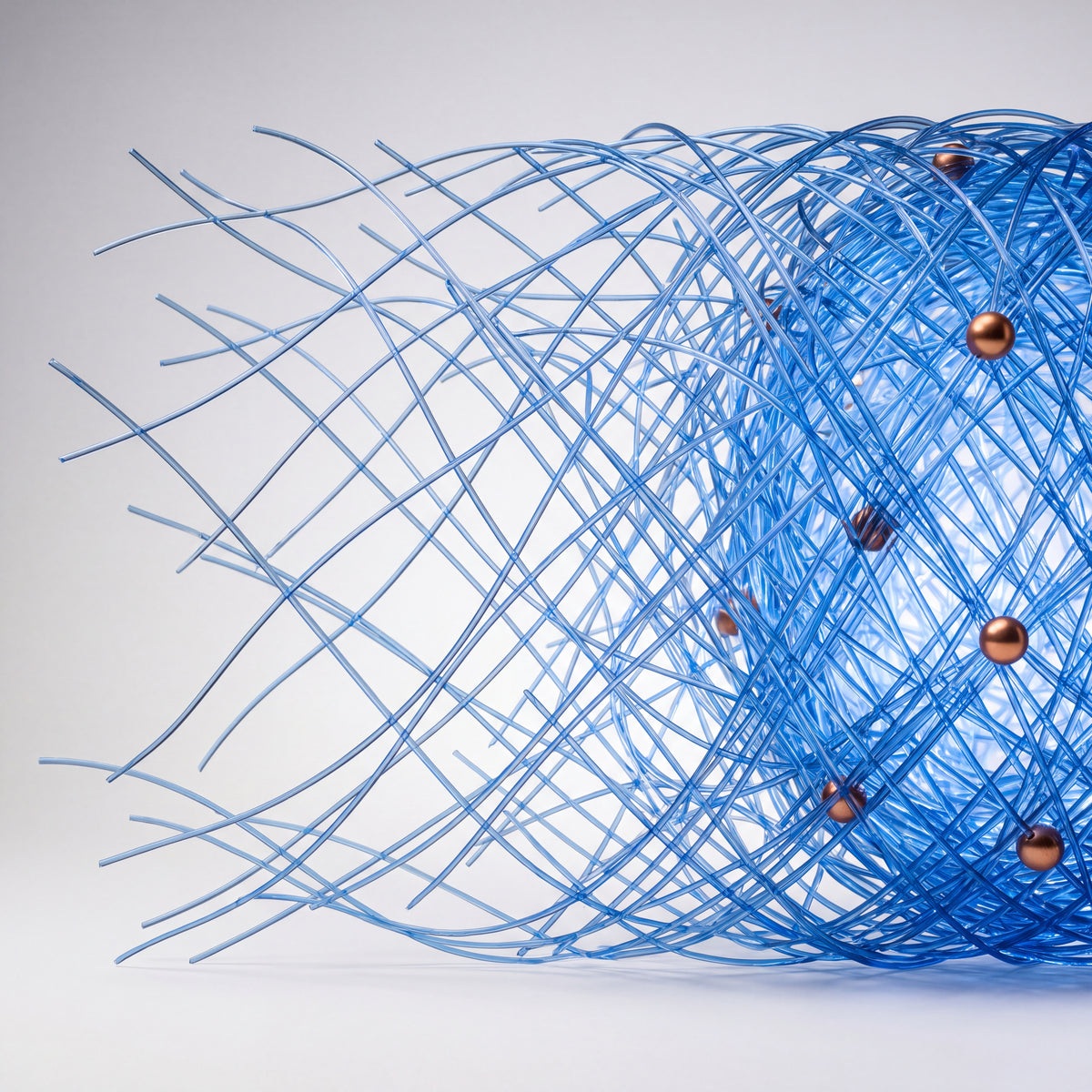
Supports skin-renewal cell activity (independent lab study)
An independent university study examined how copper-GHK affects skin cells in laboratory (in-vitro and skin-model) tests.
Study: Cultured keratinocytes and skin-equivalent models (Seoul National University).
Key results:
- Increased activity of skin-renewal cells (keratinocytes) and basal-cell markers (integrin, p63) in lab skin models
Kang YA et al. (2009). Archives of Dermatological Research, 301(4):301-306. View on PubMed
Greater satisfaction with skin appearance (independent trial)
An independent controlled trial evaluated a topical copper-peptide regimen on the skin.
Study design: Randomised controlled trial, topical, 12 weeks.
Key results:
- Users reported greater satisfaction with their skin's overall appearance versus control
Miller TR et al. (2006). Archives of Facial Plastic Surgery, 8(4):252-259. View on PubMed
Published References
Regenerative and Protective Actions of the GHK-Cu Peptide in the Light of the New Gene Data
Pickart L, Margolina A, 2018 · International Journal of Molecular Sciences · 19(7):1987
GHK Peptide as a Natural Modulator of Multiple Cellular Pathways in Skin Regeneration
Pickart L, Vasquez-Soltero JM, Margolina A, 2015 · BioMed Research International · 2015:648108
Copper-GHK increases integrin expression and p63 positivity by keratinocytes
Kang YA et al., 2009 · Archives of Dermatological Research · 301(4):301-306
Effects of topical copper tripeptide complex on CO2 laser-resurfaced skin
Miller TR et al., 2006 · Archives of Facial Plastic Surgery · 8(4):252-259
Augmented Skin Beneficial Effects of a Ferment Extract by Tripeptide GHK-Cu
Wang J et al., 2026 · Skin Research and Technology · 32(8):e70360
Topically applied GHK as an anti-wrinkle peptide: Advantages, problems and prospective
Mortazavi SM et al., 2024 · BioImpacts · 15:30071
Synergy of GHK-Cu and hyaluronic acid on collagen IV upregulation via fibroblast and ex-vivo skin tests
Jiang F et al., 2023 · Journal of Cosmetic Dermatology · 22(9):2598-2604
Frequently Asked Questions
Everything you need to know about Copper Peptide GHK-Cu.
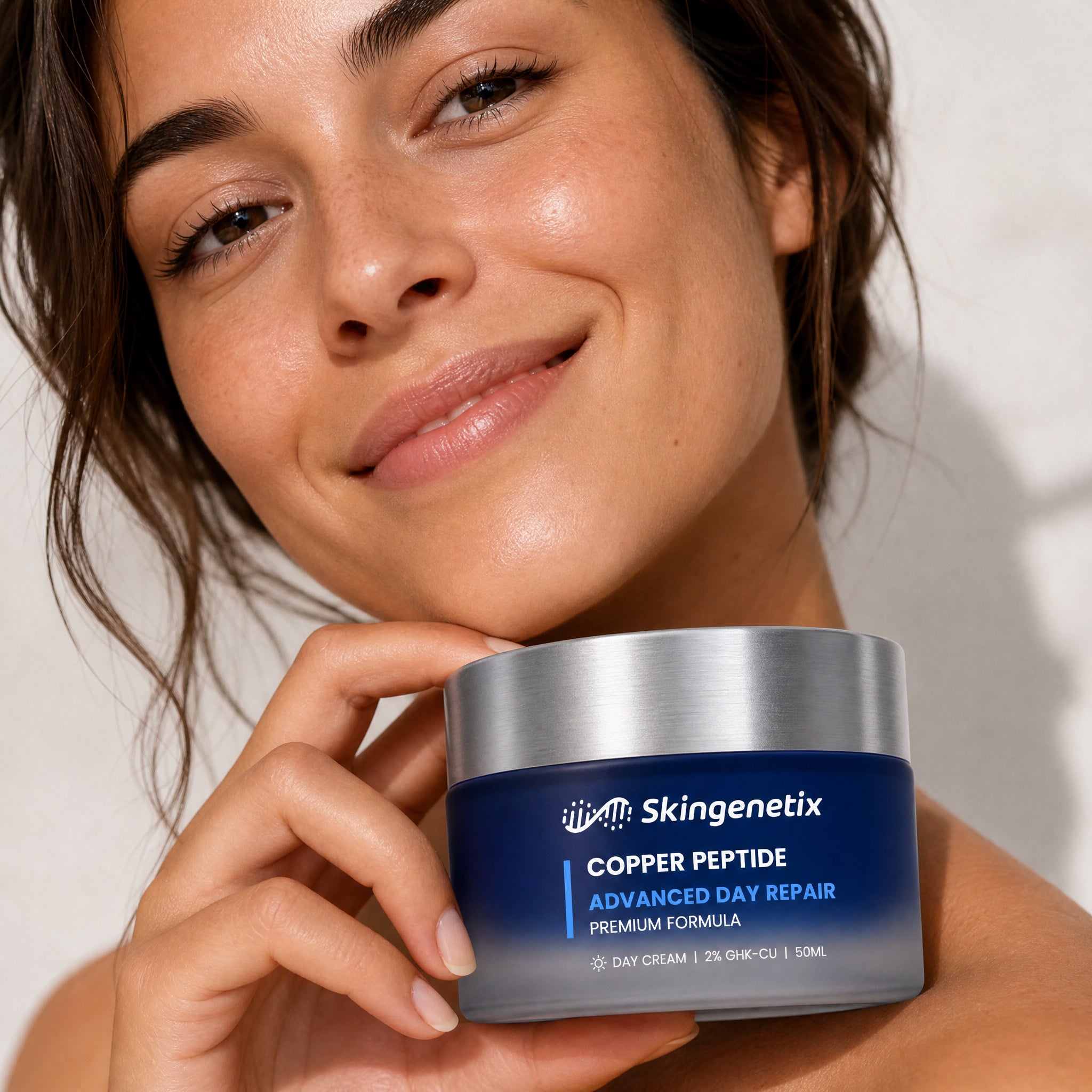
What is copper peptide GHK-Cu?
GHK-Cu is a naturally occurring tripeptide (glycyl-L-histidyl-L-lysine) bound to a copper ion. First identified in human blood plasma by Dr. Loren Pickart in 1973, it is one of the most-studied peptides in skin science and is valued in skincare for supporting a firmer, smoother and more renewed-looking complexion. GHK-Cu levels decline naturally with age, which coincides with visible signs of aging.
How does copper peptide support the skin's collagen?
Peer-reviewed research has studied GHK-Cu's association with the skin's collagen, elastin and glycosaminoglycan activity and its natural renewal. This is why copper peptide is valued in anti-aging skincare for firmer, smoother-looking skin.
What concentration does Skingenetix use?
Skingenetix uses 2% GHK-Cu, at the upper end of the clinically studied range (0.5-2%) supported by published research. This concentration combines efficacy with good tolerability.
Is GHK-Cu safe for sensitive skin?
GHK-Cu is generally well-tolerated, including by sensitive skin types, and is valued for supporting a comfortable, healthy-looking moisture barrier. However, we always recommend a patch test for any new skincare product.
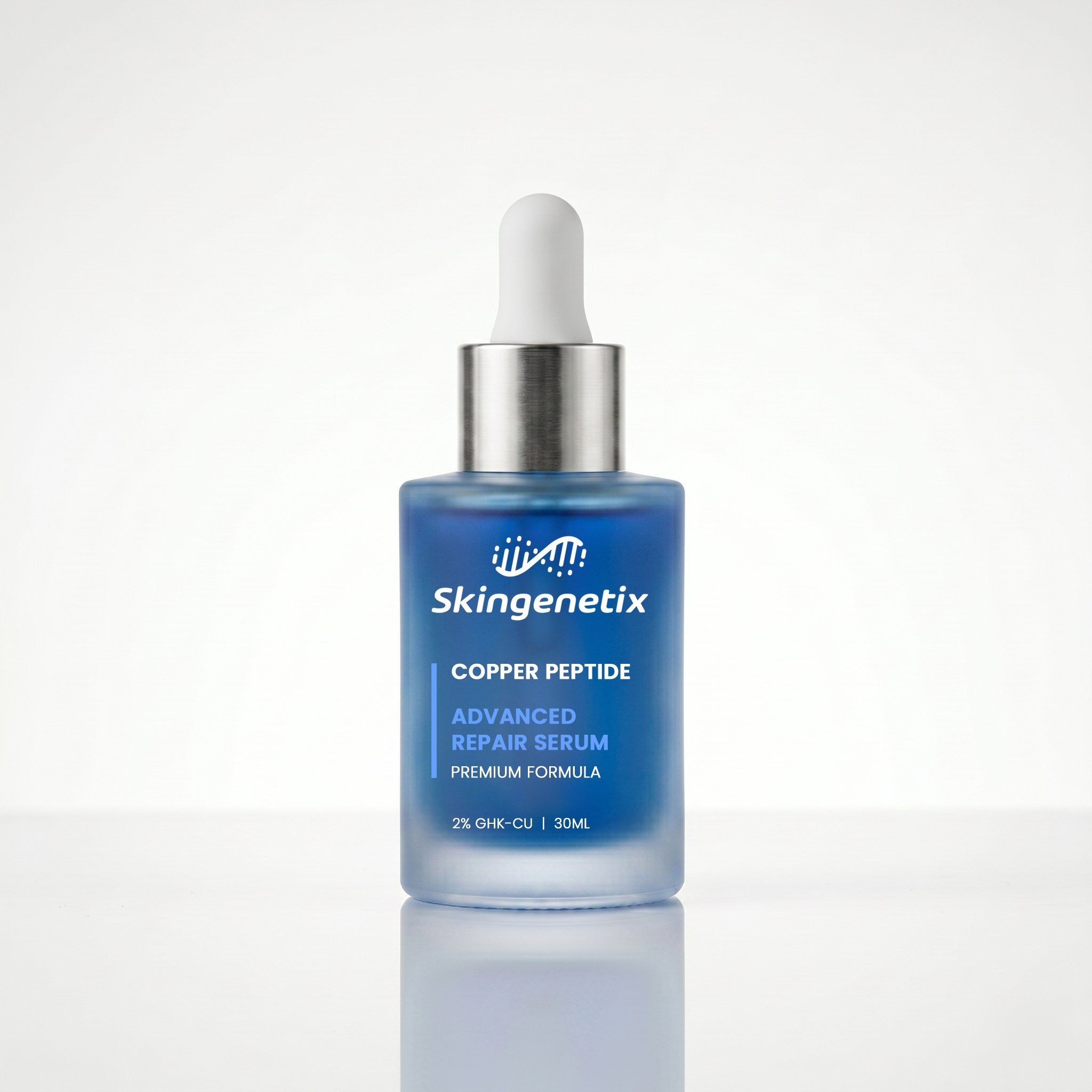
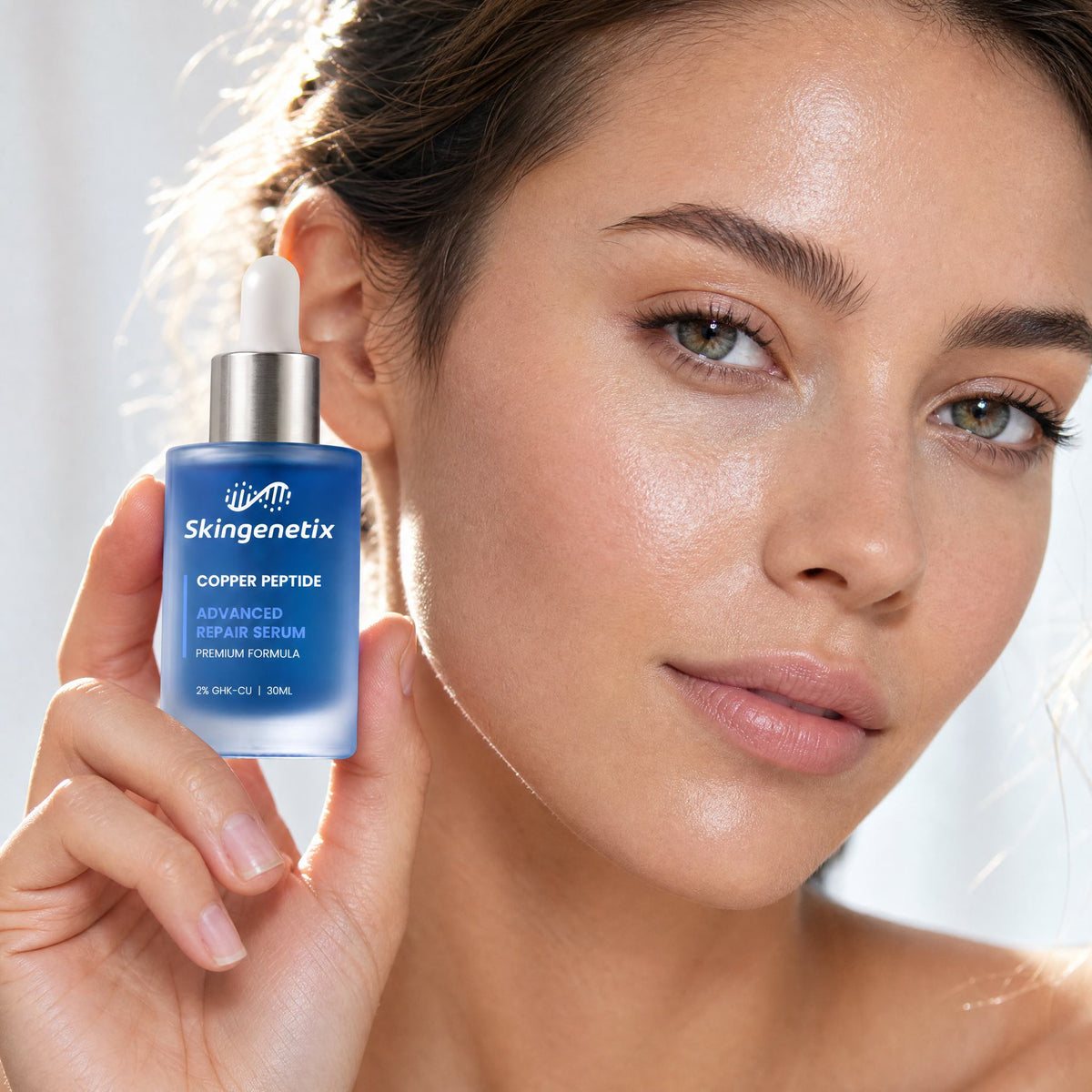
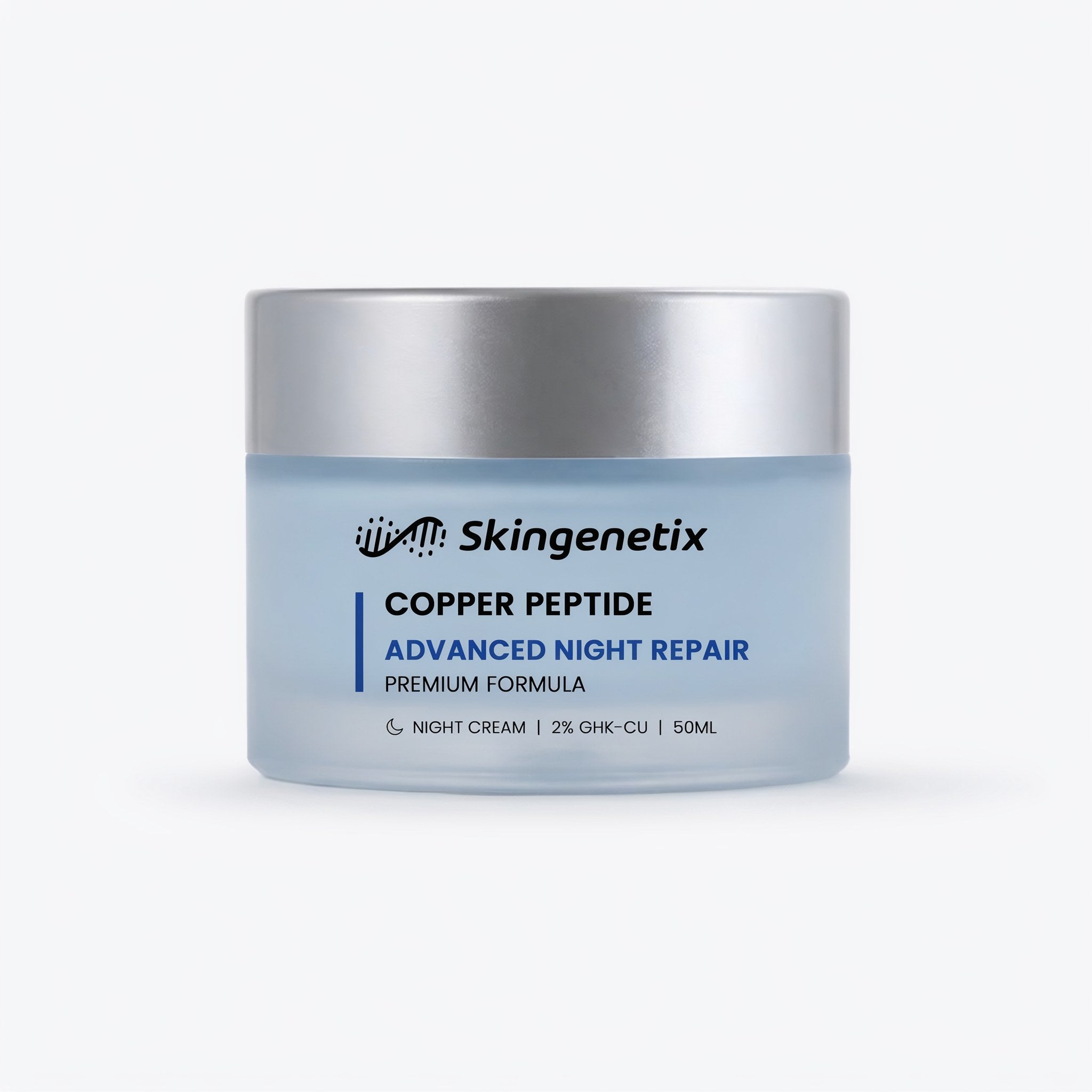
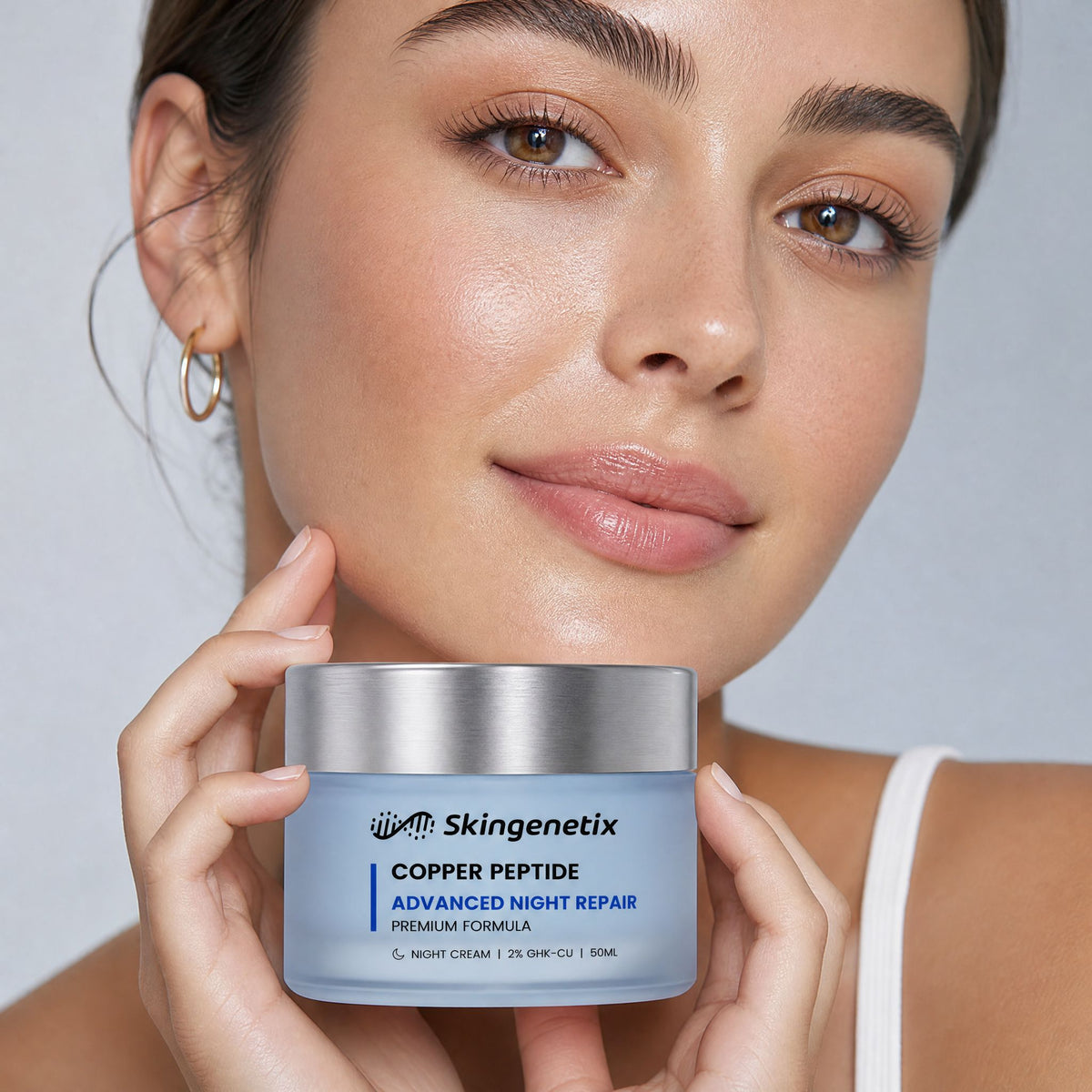
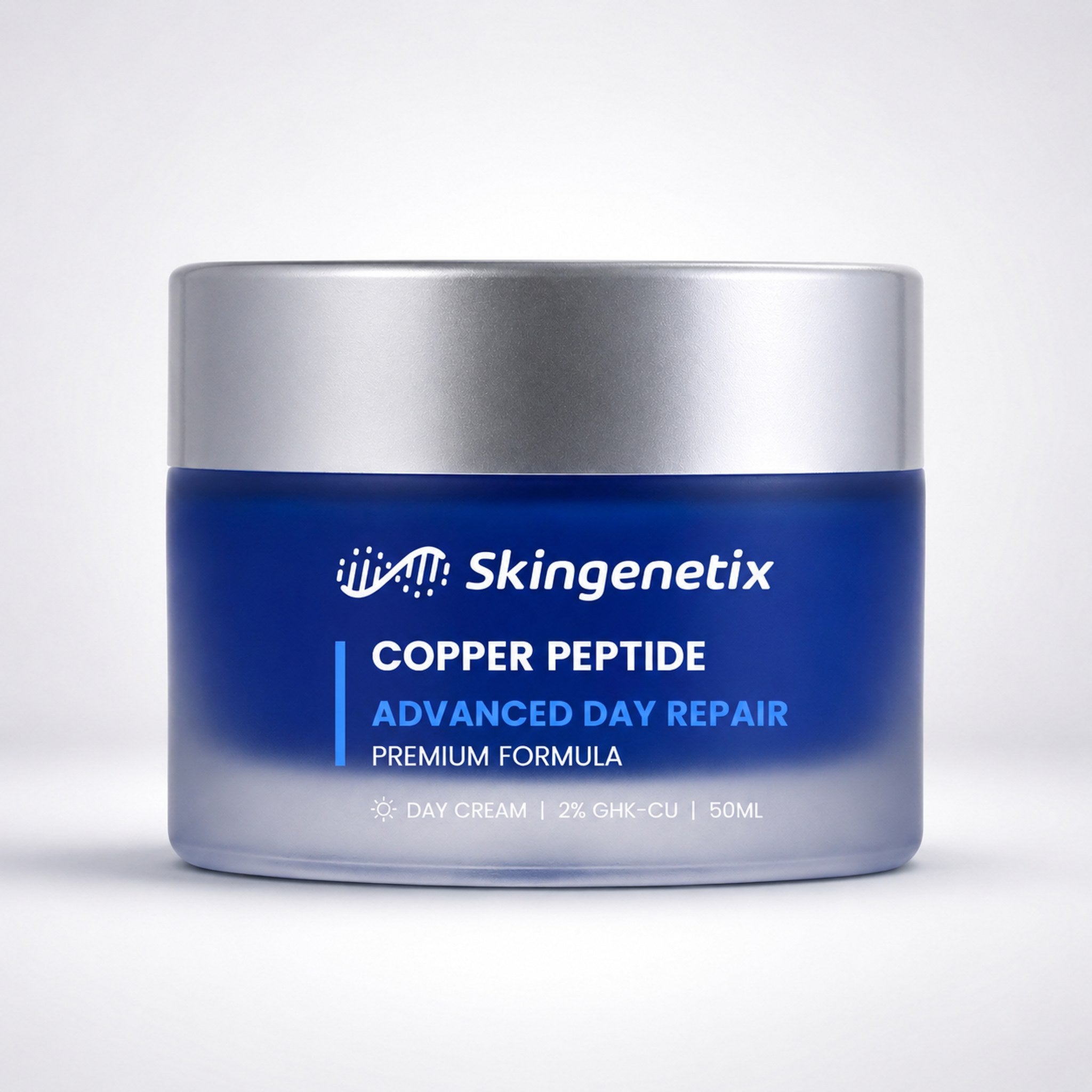
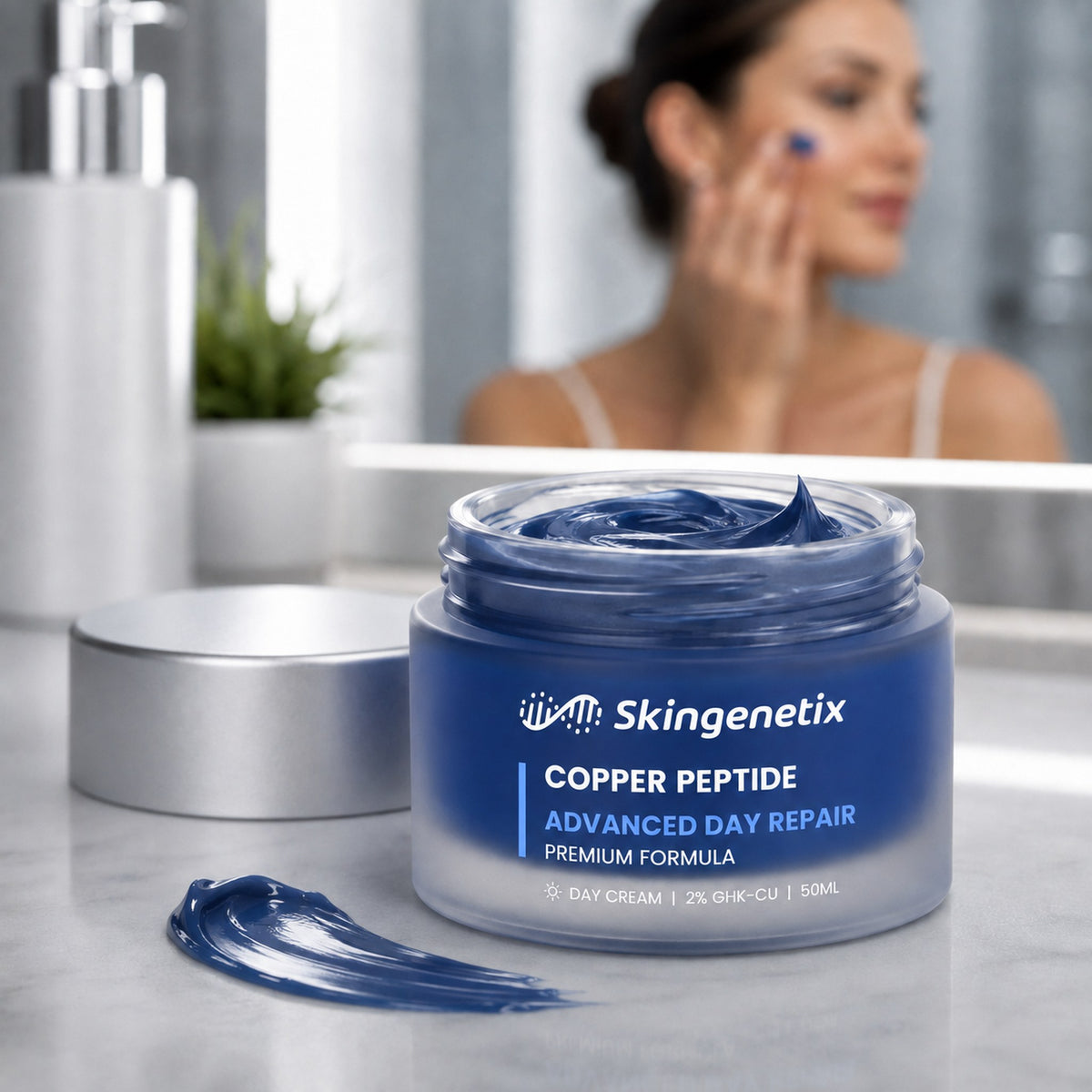
Shop Copper Peptide Products
Explore More Research
Acetyl Hexapeptide-8
Helps soften the look of expression lines
Matrixyl 3000
A clinically studied peptide for smoother-looking skin
PDRN
A skin-conditioning ingredient for firmer, revitalised-looking skin
Glutathione
For a more even, radiant-looking skin tone
Try Copper Peptide GHK-Cu
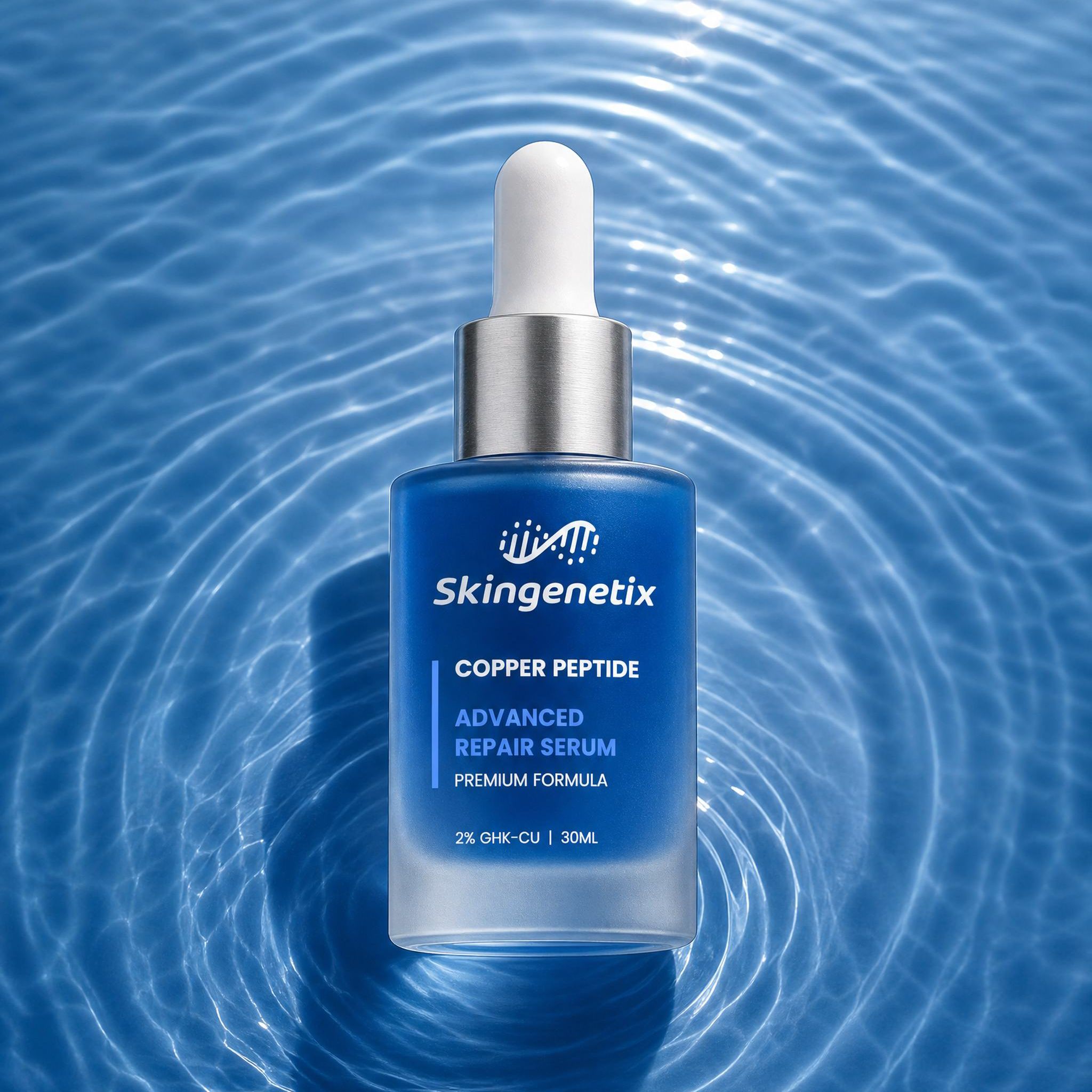
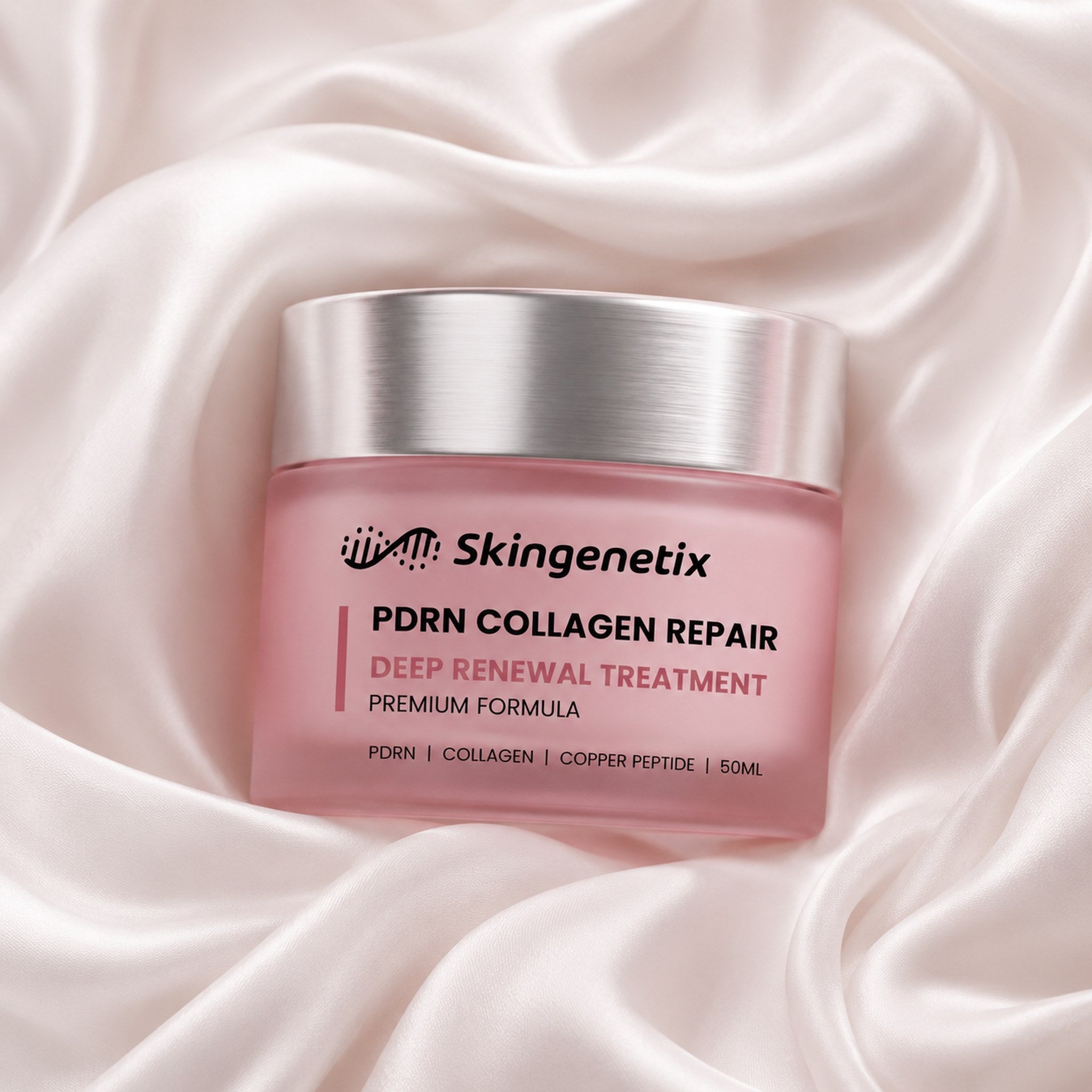
Experience the research in our Copper Peptide Skin Renewal and Repair Serum.